Why Iron Decontamination Is Non-Negotiable
Run your hand across a freshly washed car panel and notice any roughness? That texture is iron fallout — microscopic metallic particles from brake dust, railroad emissions, and industrial pollution that have embedded into your paint and clear coat. Washing alone doesn't remove them. Left alone, these particles corrode from the inside out and create a barrier that prevents polishes, sealants, and ceramic coatings from bonding correctly.
Iron decontamination removes what washing can't. The problem is that the chemistry involved — until AM Iron — came with a trade-off that cleared garages as fast as it cleaned cars.
Why Most Iron Removers Smell Like Rotten Eggs
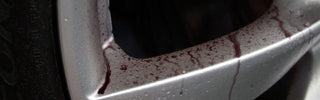
Every iron remover on the market uses the same active ingredient: sodium thioglycolate. When it contacts ferrous iron particles, it produces ferric thioglycolate — the vivid purple reaction you see bleeding down your wheels and paint panels. The reaction works. The odor is the issue.
Sodium thioglycolate produces a powerful sulfurous smell as it reacts. For most iron removers, this is just accepted as part of the process. AM Iron neutralizes that odor at two points — in the bottle itself and during the chemical reaction — replacing the smell with something closer to Fruity Pebbles cereal. Same chemistry, completely different experience.
The Gel Formula Advantage
Most iron removers are thin liquids that run the moment they contact a vertical surface. This creates two problems: you need more product to achieve coverage, and the activated — mildly acidic — reaction residue runs across your paint before you can rinse it off.
AM Iron's gel consistency clings to surfaces, which means:
- Better coverage with less product, especially on wheels and fenders
- Longer working time before the formula dries out
- The reaction stays where you put it instead of streaking downward
How to Use AM Iron
Always work on a cool surface in shade. Heat causes iron remover to flash-dry before the reaction can complete, and residue from an incomplete reaction can etch sensitive surfaces.
- Pre-rinse the vehicle to remove loose dirt
- Apply AM Iron to wheels, painted panels, and lower trim
- Allow 3–5 minutes of dwell time — look for the purple color change confirming the reaction is working
- Agitate if needed — on heavily contaminated wheels, a soft detailing brush helps break up embedded brake dust
- Rinse thoroughly, then continue with your normal wash process
On wheels with substantial brake dust buildup, follow the rinse with a pH-neutral wheel cleaner before drying to neutralize any remaining acidity.
When to Iron Decontaminate
Iron decontamination should happen before any paint correction session and before applying a ceramic coating or polymer sealant. Clay barring without first using an iron remover means dragging embedded metal particles across your clear coat — counterproductive at best, damaging at worst.
For most drivers who wash regularly, two to four decontamination sessions per year is adequate. If you park near rail lines or spend significant time on highways with heavy truck traffic, iron fallout accumulates faster and more frequent treatment pays off.
Pick up AM Iron at Car Supplies Warehouse and experience iron decontamination without the aftermath.